At the Kalobeyei Reception Centre, cooking is not a household task. It is a daily operation that feeds more than 7,000 people at a time. Every meal matters, not only for nutrition and dignity, but also for the environment surrounding the settlement. Under the Livelihoods and Inclusion for Transformation – Northern Kenya (LIFT-NK) program, BOMA set out to address environmental outcomes at scale by targeting institutions that serve large refugee populations at once. The reception centre in Kalobeyei, managed by Lutheran World Federation (LWF), was one of them.
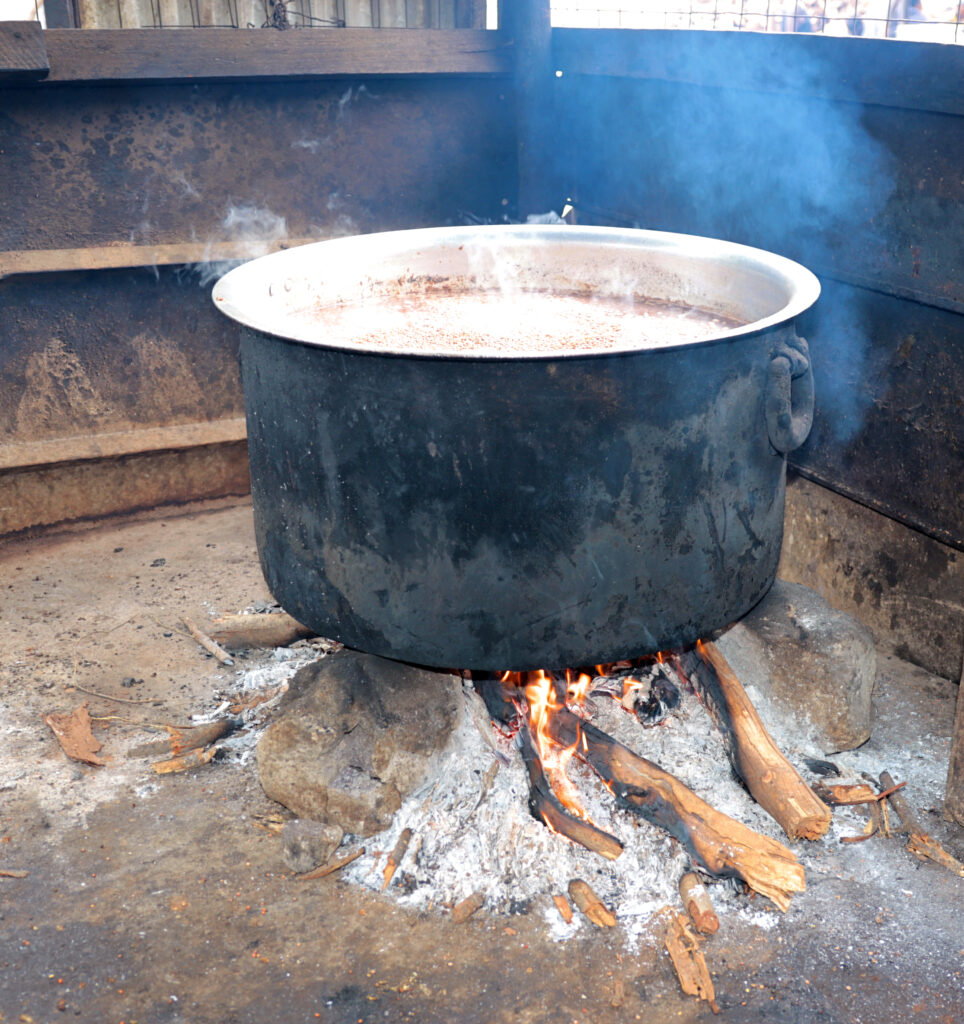
Before the intervention, cooking relied entirely on traditional three-stone stoves. Felicia Njagi, a social worker at the centre, describes the strain clearly. “Before this stove came, we used to use the three-stone stove which consumes a lot of firewood,” she says. The challenge went beyond fuel use. “When there is wind the fire is usually blown away because this place can be very windy,” she adds, explaining how hard it was to control heat while trying to conserve scarce firewood.
For the cooks working long hours in the kitchen, the impact was physical. Dorcas Marusa, one of the centre’s cooks, describes what that meant day after day. “This traditional three-stone stove has many challenges. First, it uses wood quickly. Second, it affects us by producing a lot of heat and smoke. It hurts our eyes and even causes headaches.”
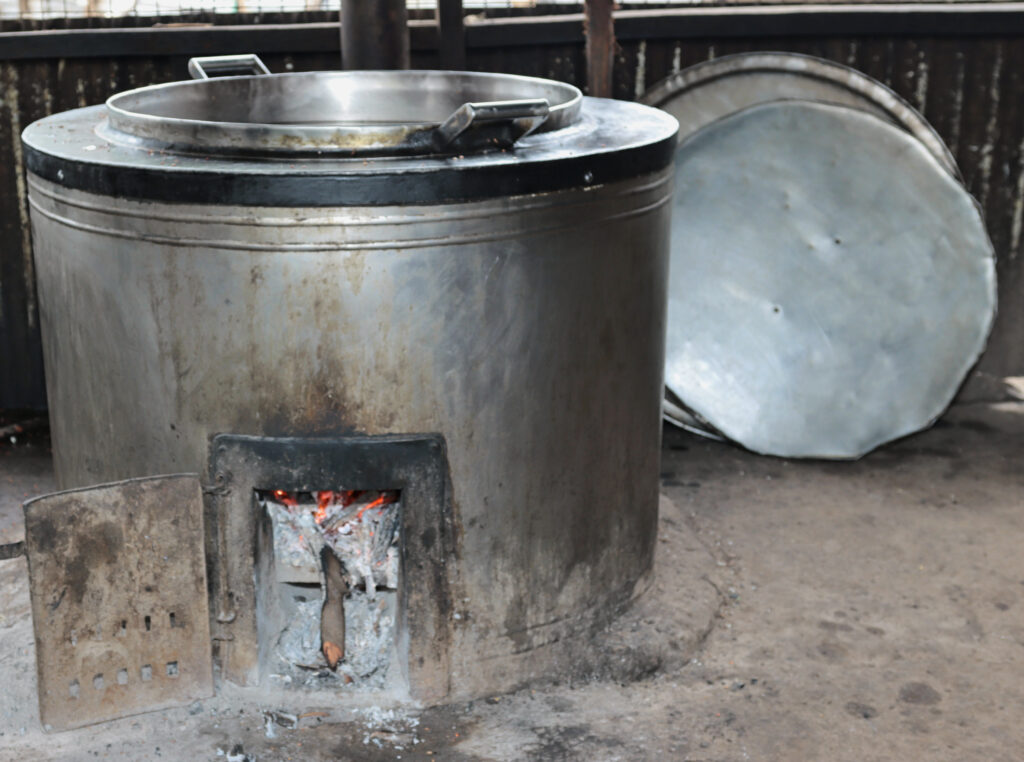
Under LIFT-NK’s cleaner cooking component, BOMA provided the Kalobeyei Reception Centre with a modern institutional stove designed to use significantly less firewood and cook food faster. The difference was immediate. “The firewood that we use is less compared to what we were using before,” Felicia explains. “And the food is well covered because the stove comes with the pot and the cover.” She notes that the change has improved both efficiency and presentation. “A lot of saving in terms of wood is happening, and it takes a shorter time to cook food in the new stove compared to the three-stone stove.”
For Shadrack Peikoi, another cook at the centre, the impact is measurable in daily routines. “This modern stove is helpful because it does not use a lot of firewood, it uses very little firewood,” he says. He gives a practical example. “Food like rice, you only use three bales of firewood as long as the water is boiling, because it takes 10 to 15 minutes for rice to be ready.”
Time matters when feeding thousands. Felicia explains how cooking schedules have shifted. “Initially before we got this stove… we start cooking by 7:00 AM,” she says. “And when the food is put in this modern stove, by 9 you can already start serving.” This matters because the centre serves large numbers continuously. “Lunch for example starts at 9:30 AM or 10 AM… and after serving lunch, we use the same stove to cook supper.” She adds an important operational detail: “We are supposed to serve people hot food. So this stove keeps the food hot even if we are taking longer to serve.”
For the cooks themselves, the stove has changed the nature of work. “This stove has helped us a lot because it isn’t stressful when working,” Dorcas says. “You just put in little firewood, prepare the area, and start cooking. You also get a few minutes to rest.” She contrasts this with the old system. “The three-stone stove does not give you time to rest. You have to stand all the time, adjust the firewood, keep checking constantly.”
Environmental benefits extend beyond fuel savings. With less firewood needed, pressure on surrounding trees is reduced, directly supporting LIFT-NK’s environmental objectives. Even waste is managed more effectively. “When we finish cooking, we take out the ashes,” Dorcas explains. “We place them behind the kitchen, and cleaners pour them in the toilets to prevent bad odor.”
From an institutional perspective, the intervention points clearly toward scale. Felicia does not hesitate when asked about replication. “I would highly recommend this stove for any institution, especially schools,” she says. “For example in Kalobeyei and Kakuma where we have big numbers of people being served… and where people have to be served together.” Her assessment is simple and confident. “They are perfect and beautiful.”
Under LIFT-NK, cleaner cooking solutions were treated as environmental interventions capable of shifting demand at scale. By targeting institutions like reception centres and hospitals that feed thousands daily, the program demonstrated how reducing fuelwood use in a single kitchen can translate into fewer trees cut, healthier working conditions, and more efficient service for refugee populations.
At the Kalobeyei Reception Centre, the change is visible in the kitchen, felt by the cooks, and reflected in the trees around the area that no longer need to be cut at the same rate. By reducing the amount of firewood needed to feed thousands of people each day, this single intervention eases pressure on the surrounding environment while improving working conditions and service delivery. It shows how practical, well-targeted solutions can quietly deliver environmental outcomes at scale, even in places where resources are stretched and demand is high.